Maybe your puppy cries the second you step outside. Maybe they are quiet for a little while, but you come home to pee on the floor, shredded paper, or a crate that looks like they panicked. Meanwhile, you are trying to live your life, go to work, run errands, and still do right by your puppy.
That pressure is real. Most puppy owners are not trying to be careless. They simply do not know what their puppy can actually handle yet.
Big idea: Puppies do not learn to be calm alone by being left too long. They learn it through short, successful practice that builds confidence over time.
How Long Is Too Long for a Puppy?
In general, young puppies cannot be left alone for long periods. Their bladder control is still developing, their confidence is still forming, and they are learning what it means when you leave.
As a simple guideline, many puppies can only handle a few hours at a time depending on their age, potty training progress, temperament, and previous experience. However, age is not the only factor. A confident 5-month-old puppy may handle alone time better than an anxious 7-month-old puppy who has never practiced being alone calmly.
For example, a puppy who has been gradually introduced to a crate, short absences, chew toys, and a predictable potty routine may relax while you are gone. On the other hand, a puppy who is suddenly left for six hours with no practice may bark, chew, panic, or have accidents.
What Owners Think Is Happening
Many owners think their puppy is being dramatic, stubborn, needy, or bad on purpose.
In reality, most puppies are not trying to cause problems. They are overwhelmed, underprepared, or physically unable to hold their bladder as long as the owner hoped.
That is why the behavior often looks confusing. Your puppy may seem fine when you are home, but the moment you leave, everything changes. The barking starts. The pacing starts. The chewing starts. The accident happens. Then you come home frustrated, and your puppy is either overly excited, nervous, or covered in guilt-looking body language.
However, dogs do not understand guilt the way people do. What you are usually seeing is stress, uncertainty, or a reaction to your frustration.
What Is Actually Happening
Puppies need to learn that being alone is safe, temporary, and manageable.
That does not happen automatically. It happens through practice.
If your puppy has only experienced alone time as something scary, boring, or too long, they may start to worry before you even leave. They notice the shoes. The keys. The bag. The door. The routine becomes a warning sign.
Consequently, the problem starts before you walk out.
This is why some puppies bark immediately when the door closes. Others stay quiet for a while and then fall apart. Additionally, some puppies do not bark at all, but they chew, drool, pace, or have potty accidents because their stress comes out in quieter ways.
Before vs. After: What Better Alone Time Looks Like
Before training: The puppy follows you from room to room. You step outside, and barking starts within seconds. You come home to accidents or destruction, and leaving the house feels stressful every time.
After consistent practice: The puppy has a potty break, settles with a safe chew, relaxes in a crate or puppy-safe area, and learns that your leaving does not mean panic. As a result, you can run errands without feeling like your whole day revolves around avoiding a meltdown.
That is the outcome. Not a puppy who never needs you. Instead, a puppy who can feel safe when you are not in the room.
How to Prepare Your Puppy Before Leaving
Before leaving your puppy home alone, focus on setting them up to succeed. The first mistake often happens before the owner even walks out the door.
Start with a potty break. Then give your puppy a few minutes to settle instead of leaving during peak excitement. A puppy who just finished running around, biting your pants, or wrestling with another dog is not always ready to calmly be alone.
Instead, create a small routine:
- Take your puppy outside to potty.
- Give calm praise when they go.
- Bring them inside without creating excitement.
- Place them in a crate or puppy-safe area.
- Give a safe chew or food toy.
- Leave calmly without a dramatic goodbye.
Because puppies learn through patterns, this routine helps them understand what comes next. Over time, the routine itself becomes calming.
Should You Use a Crate or Puppy Pen?
A crate or puppy pen can be very helpful when used correctly. It prevents your puppy from practicing chewing furniture, getting into dangerous items, or having accidents all over the house.
However, the crate should not feel like punishment. If your puppy only goes into the crate when you leave for hours, they may learn to dislike it. Instead, practice crate time while you are home too.
For example, let your puppy spend a few calm minutes in the crate while you fold laundry, answer emails, or sit nearby. Then slowly build distance and duration.
Fortunately, this does not need to be complicated. It just needs to be consistent.
Micro Win: Practice a Two-Minute Exit Today
Try this today:
Put your puppy in their crate or puppy-safe space with a safe chew. Walk outside for two minutes. Come back in calmly before your puppy has a meltdown.
Do not make it emotional. Do not throw a party. Just return like this is normal.
That small repetition teaches your puppy, “People leave, but they come back.”
Although two minutes may sound too easy, easy wins matter. Puppies build confidence through successful practice, not through being pushed too far too soon.
Common Mistakes Puppy Owners Make
Mistake #1: Leaving too long too soon
A puppy who cannot handle 10 minutes calmly is not ready for several hours. Build the skill gradually.
Mistake #2: Waiting until work starts to practice
Practice alone time before you need it. Otherwise, your puppy’s first big lesson may happen on a stressful day.
Mistake #3: Giving too much freedom
Freedom too early often leads to accidents, chewing, and unsafe choices. Management is part of training.
Mistake #4: Making goodbyes emotional
Long, worried goodbyes can make leaving feel like a big event. Calm exits help your puppy settle faster.
What If Your Puppy Cries When Left Alone?
Some whining is frustration. Some crying is stress. Some barking is a puppy learning that noise brings you back.
Therefore, the goal is not to ignore every sound forever. The goal is to understand why it is happening and adjust the setup.
If your puppy panics, drools, tries to escape, or cannot settle at all, the alone time may be too hard right now. On the other hand, if your puppy protests briefly and then relaxes, they may simply need more practice with calm independence.
Most dogs do better when owners focus on prevention first. Short absences, safe confinement, potty breaks, mental enrichment, and calm routines can prevent many issues before they become habits.
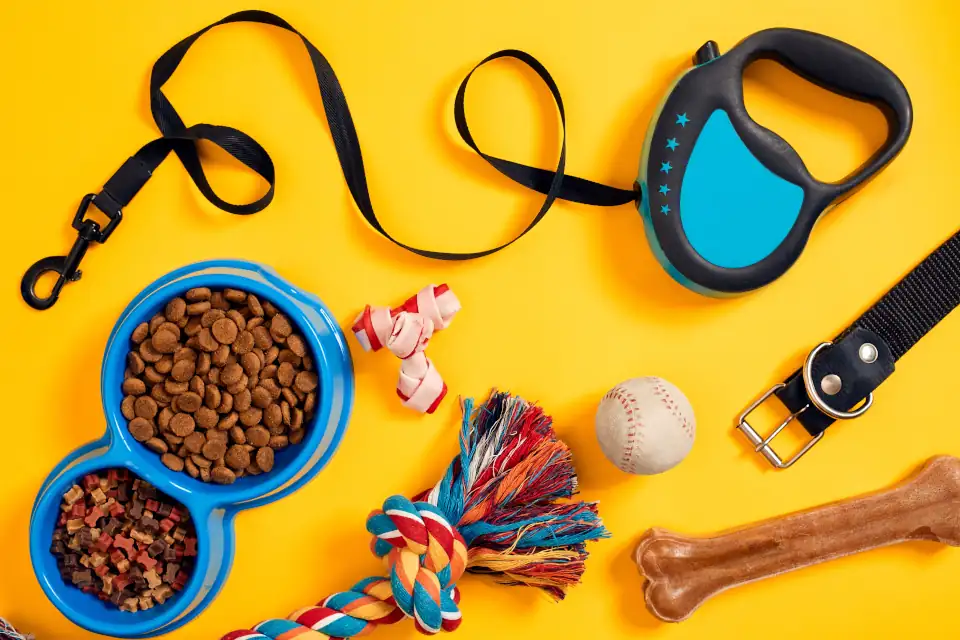
Recommended Puppy Training Tool: KONG Puppy Toy
A safe food-stuffable toy can help your puppy build a positive association with quiet time. It gives them something appropriate to focus on while they learn to settle.
Additionally, choose products that match your puppy’s size, chewing style, and supervision needs. No toy is a replacement for training, but the right tool can make the training process easier.
When Puppy Training Help Makes Sense
If leaving your puppy alone already feels stressful, you do not have to wait until the behavior gets worse. Puppy training can help you create a realistic routine for potty training, crate training, confidence, chewing, biting, and calm behavior in the home.
Furthermore, every puppy is different. Some need more structure. Some need more confidence. Some need clearer boundaries. Some simply need their owners to understand what to practice and when.
Ready for a calmer puppy routine?
We can help you build better habits at home, reduce stress, and teach your puppy how to feel more confident when alone.
Schedule with us and start creating a plan that fits your puppy, your home, and your real life.
FAQ: Leaving a Puppy Home Alone
How long can an 8-week-old puppy be left alone?
An 8-week-old puppy usually needs very short alone-time practice and frequent potty breaks. They are still babies, so long absences are usually too much.
Can I leave my puppy alone while I go to work?
It depends on your puppy’s age, potty training, routine, and support system. Many young puppies need a midday potty break, a puppy sitter, or a structured plan before they can handle a workday.
Should I leave my puppy in a crate when I am gone?
A crate can be helpful if your puppy has been introduced to it properly. However, it should feel safe and predictable, not like punishment.
What if my puppy barks the whole time I am gone?
If your puppy barks the entire time, the alone time may be too long or too stressful. Instead, go back to shorter practice sessions and build gradually.
Will my puppy grow out of crying when left alone?
Some puppies improve with maturity, but many need practice. Waiting without changing the routine can allow the behavior to become stronger.
How do I know if my puppy has separation anxiety?
Signs may include panic, nonstop barking, drooling, escape attempts, destruction near exits, or inability to settle when alone. If you are unsure, getting professional help early can prevent the problem from becoming more intense.
Final Thought
Leaving a puppy home alone is not just about the clock. It is about preparation, confidence, potty needs, and whether your puppy has practiced being alone in a way they can actually handle.
After all, calm alone time is a learned skill.
Start small. Create a routine. Prevent mistakes when you can. As a result, your puppy can begin to understand that being alone is not scary, confusing, or permanent.
With patience and consistent practice, your puppy can learn to relax when you leave and feel secure when you come back.