
Dog Training in Duluth, GA | Pups & Paws Dog Training
Looking for trusted dog training in Duluth, GA? Pups & Paws delivers customized, in‑home coaching for puppies and adult dogs—fixing leash pulling, nonstop barking, unreliable recall, and reactivity right where these issues happen.
Serving Atlanta families—book personalized training today.
Puppy Training
100+ 5-Star Reviews
Real Dogs, Real Results
10+ Years of Experience
Positive Science-Backed Training
Better Dog Behavior for
Everyday Life In Duluth, GA
Perfect obedience isn’t the goal—living comfortably together is. Imagine strolling along Pleasant Hill Road without your arm getting yanked, greeting friends from Parsons Run or Sugarloaf without jumping, eating dinner without window barking, and guiding a new puppy to the right potty spot every time.
Pups & Paws Dog Training creates plans tailored to homes across the area, focusing on the actual places your dog struggles: your living room, sidewalks near Shorty Howell Park, the Greenway by Rogers Bridge, and pet‑friendly patios around Sugarloaf Parkway when appropriate. We work around school pickup schedules, apartment layouts near ABG/Medlock Bridge, and the daily distractions that are unique to this part of Gwinnett.
Whether you’re raising a young pup learning house manners, managing an energetic adolescent pushing limits, or helping a rescue settle into a new routine, our positive reinforcement methods teach clear alternatives and reduce stress for both ends of the leash. Pups & Paws supports households throughout nearby neighborhoods like Cardinal Lake, Berkeley Lake area communities, and along Peachtree Industrial Boulevard with practical, real‑world training for puppies, manners and obedience, leash skills, recall, and behavior concerns.

Common Dog Training Concerns
Dogs repeat what reliably pays off. If a strong pull reaches a fire hydrant near the corner of Peachtree Industrial Boulevard and Pleasant Hill Road, that tugging just got reinforced. If a delivery driver heads back to the truck after loud barking, the noise felt effective. Even a quick glance or chuckle when a dog jumps at the front door can teach that leaping gets attention.
Thoughtful training gives your dog clear alternatives and helps you respond the same way every time, so good choices become the easiest choices.
Puppy behavior and early routines
Young pups are energetic explorers learning how to live alongside people. Chewing table legs, nipping during play, bathroom accidents, and over-the-top greetings are typical. With a predictable schedule and consistent feedback, those rough edges smooth out faster.
Puppy training can address:
- House-training plans with feeding times, outdoor breaks, and supervision.
- Crate comfort, short rest periods, and settling away from activity.
- Gentle mouths during play and appropriate chew outlet choices.
- Prevention for stealing socks, counter surfing, and getting into trash.
- Polite hello routines that replace jumping with four-on-the-floor.
- Early cues like name response, come, sit, down, leave it, and place.
- Smart socialization to local noises, surfaces, people, bikes, scooters, and friendly, healthy dogs.
Pups & Paws notes that puppies can start as early as eight weeks, focusing on bite inhibition, potty habits, and beginner listening skills so problematic patterns don’t take root.
Pulling, lunging, and distracted walks
Walks shouldn’t feel like a tug-of-war every time you pass the mailbox. Owners near Rogers Bridge Park, along the Chattahoochee, or on busy stretches by Old Peachtree Road often report tight leashes, sudden dashes at squirrels, and barking when another dog appears.
Good leash skills go beyond “heel.” We teach dogs to check in, follow guidance, and navigate exciting sidewalks, trails, and shopping areas without escalating. Plans may include engagement games, leash-handling, attention cues, turns, reward placement, managing distance from triggers, and choosing humane equipment that fits your dog’s needs.
Barking and reactivity
Window barking can be fueled by package trucks, cyclists headed to Shorty Howell Park, or neighbors walking past townhomes off Satellite Boulevard. Explosions on the sidewalk often stem from fear, frustration, or tight spaces where dogs feel trapped.
Progress happens when we avoid forcing close encounters and instead work at comfortable distances. A step-by-step plan helps dogs notice a trigger, stay under threshold, and reconnect with their person. Results depend on emotional state, environment, medical factors, history, and consistent at-home practice.
Recall and off-leash reliability
Coming when called is a true life-saver—think of a gate left ajar, a dropped leash on Hill Street, or a distraction near traffic on Pleasant Hill Road.
We build recall gradually: first, responding is always rewarding. Then we add controlled distractions, safe spacing, and long-line support on open fields before testing harder situations. Responsible training never starts with an unprepared dog loose in an unfenced area.
Training That Fits Your Household
It’s common to try videos, tips from a neighbor, or repeating commands louder. Sometimes that works; often it doesn’t address your dog’s temperament, prior learning, home layout, daily schedule, or specific stressors like scooters by the Greenway or door-to-door visitors.
Advice such as “ignore the jumping” isn’t easy with small kids, grandparents, or steady package deliveries. “Just keep walking” rarely fixes pulling after a dog locks onto another dog near the crosswalk. And “socialize your puppy” lacks context without safe, age-appropriate plans.
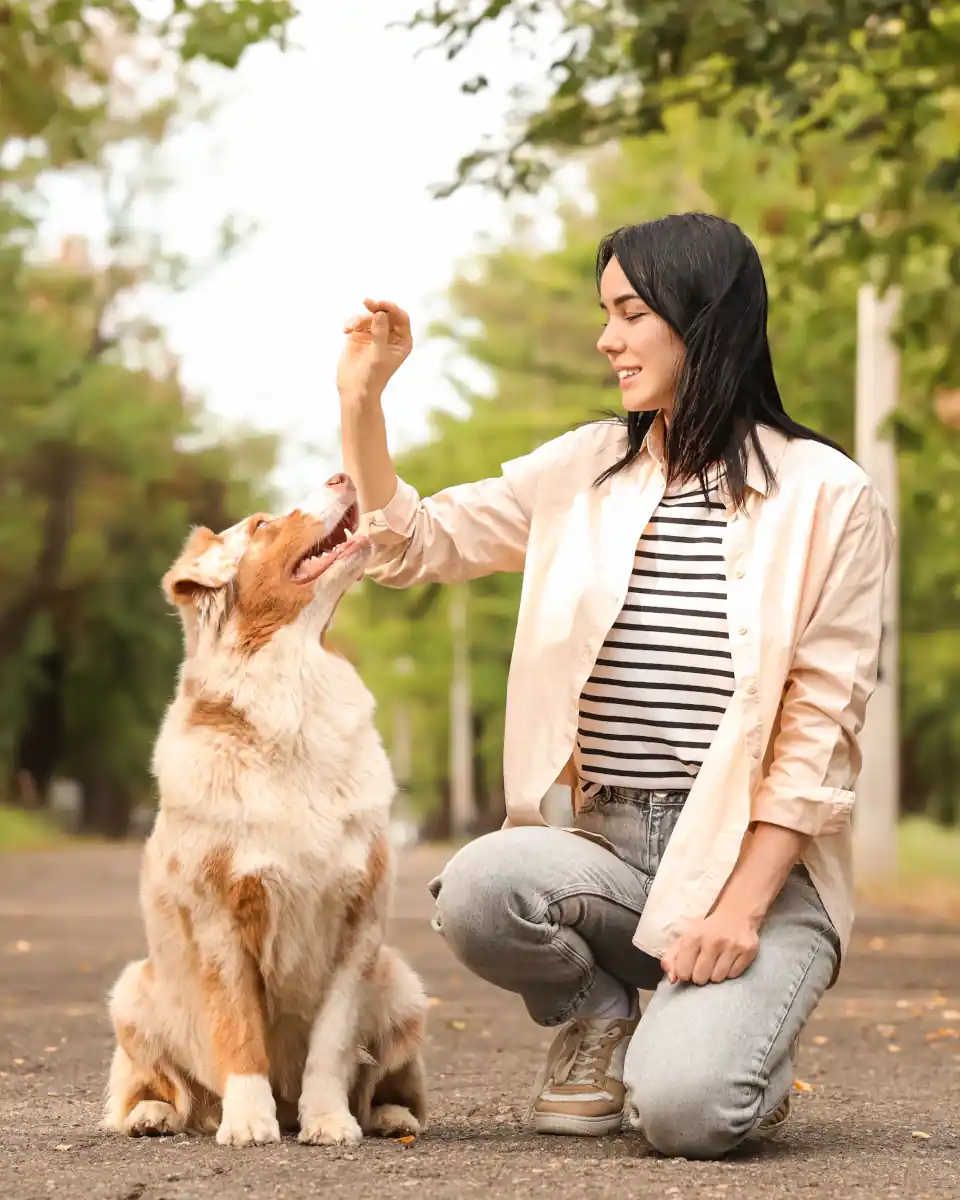
Pups & Paws emphasizes practical skills, clear communication, and coaching for the people who live with the dog. Rather than training only in a quiet room, we work where behavior actually happens:
- At your doorstep when the doorbell sparks barking, dashing outside, or leaping on guests.
- In your living room when a puppy targets hands, shoes, couch cushions, or kids’ clothing.
- Along local sidewalks where the leash tightens near busy areas like downtown’s Parsons Alley.
- During calm outings to parks and plazas so your dog can practice focus amid strollers, joggers, and bikes.
- In suitable public spaces as your dog earns the ability to handle more distracting scenes.
Pups & Paws offers mobile, individualized training tailored to each dog and household. Programs include puppy foundations, everyday manners, loose-leash walking, recall, reactivity work, and private sessions.
Duluth Dogs Face Real-World Distractions
Homes here blend quiet subdivisions with busy corridors and weekend events, so dogs experience a steady mix of motion, sound, and visitors. That variety makes good training pay off—especially for families balancing school pickups, sports, and neighborhood walks.
Shorty Howell Park on Pleasant Hill Road offers open fields, walking paths, and steady foot traffic. Nearby Rogers Bridge Park connects to scenic trails along the river. For dogs ready to work, these spots can be ideal for practicing loose-leash skills, greeting manners, recall foundations on a long line, and settling around joggers and cyclists.
That said, not every social setting fits every dog. Puppies building confidence, dogs that guard resources, or those overwhelmed in groups benefit from structured sessions and controlled exposure before joining off-leash play or busy meetups.
Areas around Pleasant Hill Road, Peachtree Industrial Boulevard, Old Peachtree Road, and Satellite Boulevard bring passing buses, landscaping crews, delivery vans, and frequent dog walkers—plus school traffic near Coleman Middle and local shopping centers. A thoughtful plan prepares a dog for everyday neighborhood noise and movement, not just quiet-time obedience at home.
Recommended Training Guides
How to Potty Train a Puppy: The Complete Guide
Why Is My Puppy Biting Everything? Causes & Solutions
Recall Training for Dogs: How to Build a Reliable Come Command
Why Does My Puppy Cry in the Crate at Night?
Puppy Zoomies: Why Your Puppy Runs Around Like Crazy at Night
Tools I Use & Recommend

High quality training tools I use and trust with my own dogs.
See Training In Action
Watch real training sessions and tips that make a difference.
Local Training Scenarios
Project: The Chattahoochee leash challenge
A Duluth owner hoped to enjoy peaceful strolls along the Riverside Park paths, but her spirited adolescent dog made outings stressful. He surged toward wildlife scents by the river, locked up when joggers with dogs passed near the playground, and erupted into loud barking if another dog got too close on the narrow trail.
Instead of starting near busy park loops by the pavilion, the plan began on quiet streets around Enniskerry and off-peak times near Berkeley Hills. Short, successful reps focused on rewarding voluntary check-ins, changing direction before arousal spiked, and building loose-leash skills in low-distraction areas. As reliability grew, they layered in tougher spots like Shorty Howell Park and the Town Green, practicing calm observation at a comfortable distance.
The goal wasn’t socializing with every dog on the path; it was creating a safe, responsive walking partner who could navigate crowded sidewalks near Pleasant Hill Road without drama.
Project: A puppy off Pleasant Hill and Peachtree Industrial
A family with a new pup in a townhouse near the 30096/30097 line was overwhelmed by potty slips, sunrise barking, and nippy zoomies during dinner prep. Doorway greetings sent the puppy into overdrive whenever kids returned from school at Coleman Middle, leaving everyone reacting instead of teaching.
We mapped predictable potty breaks tied to meals and naps, set up brief supervised play blocks, introduced frozen chew options for the evening “witching hour,” and coached a calmer entry routine using a tethered station near the foyer. A simple crate schedule supported naps between activity bursts, and the family practiced redirecting mouthy behavior before fatigue set in. With consistent timing and clear structure, the home shifted from chaos to manageable routines.
Recommended Products
These are our number one picks for puppy training.
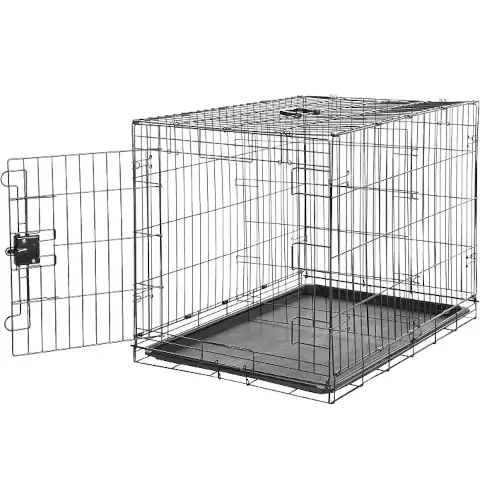
Dog Crate

Kong Dog Toy
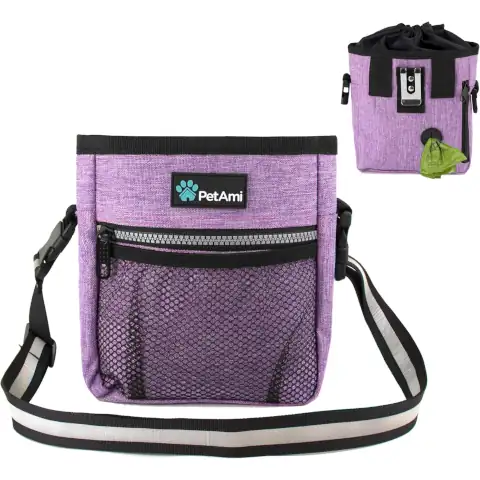
Dog Treat Pouch

Enzyme Cleaner
A Positive-Reinforcement Approach
Pups & Paws relies on reward-based methods and does not use shock collars, prong collars, or tools designed to create pain, fear, or confusion. Training centers on teaching clear alternatives, paying generously for the behaviors you want, and practicing skills in everyday places like neighborhood sidewalks, parks, and pet-friendly plazas.
Reward-focused work still includes boundaries. Dogs thrive with predictable routines, active supervision, smart management, and steady expectations. The difference is that we build understanding and confidence rather than leaning on intimidation or discomfort.
If a dog jumps on visitors near the entry, we teach a solid “place” and reinforce four paws on the floor. For pulling, we stack engagement skills before the leash tightens and use strategic route choices around busier corridors such as Pleasant Hill. For worry-prone dogs, we add distance from triggers so learning can happen without panic.
This style fits families well—everyone can participate. When adults and kids follow the same cues, reinforcement plan, and house rules, the dog receives consistent information from morning walks near McClure Bridge Road to evening wind-downs at home.
Why Work With Pups & Paws?
Selecting a trainer is about more than a command list. You want a professional who studies your dog’s behavior, hears your concerns, explains the “why” behind the plan, and leaves you with steps you can repeat after the session.
Pups & Paws provides one-on-one programs tailored to each dog’s history and temperament. With over a decade of practical experience, full insurance, and dozens of five-star reviews, the team focuses on real-life results that fit busy schedules.
Clients often mention the value of clear, usable coaching:
“We finally had a plan we could follow at home.”
“Our walks became much less stressful once we understood the steps.”
“The training gave our family tools we could actually use with visitors.”
These excerpts illustrate typical goals—better communication, more confidence, and routines that make everyday life easier. Outcomes vary based on the individual dog, environment, and owner follow-through.
Pups & Paws lists transparent private-training options, starting with a hands-on evaluation and first session. Package pricing is discussed upfront, and payment plans are available through Afterpay.
Frequently Asked Questions About Dog Training
Does Pups & Paws train dogs in Duluth homes?
Yes. Pups & Paws serves Duluth as part of its Atlanta-area and Gwinnett County service area. Training can take place in your home, on neighborhood walks near Pleasant Hill or Peachtree Industrial, and in local environments like parks and town centers where your dog needs real-life practice.
When is the best time to start puppy training?
Training can begin early. Pups & Paws recommends launching a puppy foundation program as soon as eight weeks, building skills for house training, gentle mouths, settling, name response, and easy at‑home routines. Early structure helps young dogs in neighborhoods like Parsons Run or along Abbotts Bridge Road form healthy habits before nuisance behaviors take root.
My dog pulls on walks. Should I use a prong or shock collar?
Pups & Paws relies on positive reinforcement and avoids prong and shock collars. Loose‑leash practice centers on clear communication, engagement games, timely rewards, and handling that keeps a comfortable buffer from distractions—useful on Busbee Pkwy near the shopping centers or along sidewalks by Chattahoochee Elementary during busy hours.
Can a reactive dog visit Ridge Lake Park?
Possibly, but only when the dog is ready and under solid control. Many reactive dogs start in quiet home spaces or calm side streets before trying areas with heavier activity. Not every dog is a fit for fenced parks; if your companion struggles to recover around unfamiliar dogs, becomes overstimulated, or shows fear, controlled setups—like parallel walks near short, open stretches around Rogers Bridge Park—are a safer way to build skills.
Can training help if my dog barks at delivery drivers and guests?
Yes. Doorway barking can be improved through management, teaching an alternative like going to a mat, structured rehearsals, and changing how your dog feels about common triggers. The plan is tailored to the cause—delivery activity near Old Peachtree Road, knocks, doorbells, or footsteps in a condo hallway—and the intensity of the response.
Start With a Clearer Plan
Living with a dog should feel rewarding, even when behavior challenges are getting in the way. The right training plan can turn everyday frustration into predictable routines, clearer communication, and steady progress you can see on neighborhood walks and at home.
Whether you’re welcoming a new puppy, dealing with tough leash manners around Sugarloaf Parkway, navigating barking, jumping, recall struggles, or building confidence near busy spots like Pleasant Hill Road, Pups & Paws Dog Training offers individualized guidance for your Duluth household. Reach out today to discuss your dog, your goals, and the next practical step toward better behavior.


