
Dog Training in Alpharetta, GA | Pups & Paws Dog Training
Looking for reliable dog training in Alpharetta, GA? Pups & Paws delivers practical, in-home coaching for puppies, loose-leash walking, nuisance barking, reliable recall, and reactive behaviors—tailored to life around places like Avalon and Wills Park.
Serving Atlanta families—book personalized training today.
Puppy Training
100+ 5-Star Reviews
Real Dogs, Real Results
10+ Years of Experience
Positive Science-Backed Training
Better Dog Behavior for
Everyday Life In Alpharetta, GA
Life with your dog should feel easy and enjoyable. Maybe you want peaceful strolls along the Alpha Loop without lunging at bikes, calm greetings when friends drop by from Windward, quiet evenings without window barking, or a puppy that knows where to potty and settles during family time.
Pups & Paws Dog Training offers customized support for homes in the area navigating real-world challenges. We design training around your daily routine—inside your house, on walks near Webb Bridge Park, through Avalon and Downtown City Center, and in dog-friendly spaces when it makes sense for your goals.
Puppies, boundary-pushing adolescents, and newly adopted adults each need different strategies. Our positive reinforcement methods show you why behaviors occur and how to teach clear, easy alternatives. We work throughout nearby neighborhoods like Windward, Cogburn, and Nesbit Lakes—serving families across North Fulton—with in-home and real-life training for puppies, obedience, leash manners, recall, and behavior concerns.

Common Dog Training Concerns
Dogs repeat what reliably pays off. If tugging on the leash gets them to a fire hydrant on Old Milton Parkway, that tugging becomes a habit. If barking makes the mail carrier move on from a porch in Windward, the barking feels effective. And when leaping up earns eye contact or animated chatter, many dogs learn that jumping brings attention.
Training replaces those patterns with clear, repeatable choices and gives you tools to guide behavior in real life.
Puppy behavior and early routines
Young dogs are explorers with sharp teeth and short attention spans. Chewing chair legs, nipping during play, indoor accidents, late-night whining, and over-the-top greetings are common. With a predictable schedule and simple rules, those challenges turn into teachable moments.
Puppy training can address:
- Housetraining plans matched to your workday and nap cycles.
- Crate comfort, quiet settling, and short independence practice.
- Gentle mouths during play and handling.
- Preventing chewing, stealing socks, and counter surfing.
- Polite greetings at the door instead of jumping.
- Core cues like name response, come, sit, down, leave it, and place.
- Safe socialization to new people, dogs, sounds, surfaces, and everyday sights.
Pups & Paws shares that puppies can start as early as eight weeks, helping families get ahead of nipping, potty training, and early listening skills before habits harden.
Pulling, lunging, and distracted walks
A neighborhood stroll shouldn’t feel like waterskiing behind your dog. Yet many local owners report tight leashes past Avalon, sudden stops to sniff near Wills Park, darting after squirrels, barking at passersby on Webb Bridge Road, or a dog that tunes out as soon as the door opens.
Leash skills go beyond “heel.” Good walking means learning to check in, respond to guidance, and navigate busy or exciting spaces without escalating. Training may include engagement games, leash mechanics, attention cues, strategic turns, reward placement, adjusting distance from triggers, and selecting the right walking equipment.
Barking and reactivity
Window barking often targets joggers, delivery vans, school buses, or dogs moving along the sidewalk. Big reactions on a trail or sidewalk can stem from fear, frustration, overarousal, or the pressure of tight spaces.
Close encounters rarely fix reactivity. A thoughtful plan uses distance, timing, and rewards so a dog can notice a trigger, stay under threshold, and reconnect with the handler. Progress depends on emotions, environment, medical factors, history, and consistent practice between sessions.
Recall and off-leash reliability
Coming when called is a life-saving skill. It matters when a gate is left open, a leash slips on a greenway, or your dog angles toward traffic near a busy intersection.
Reliable recall is layered carefully. First, returning to you is always worth it. Then practice grows around mild distractions, with safe spacing and long-line support. Responsible training avoids turning a novice dog loose in unfenced areas before the behavior is solid.
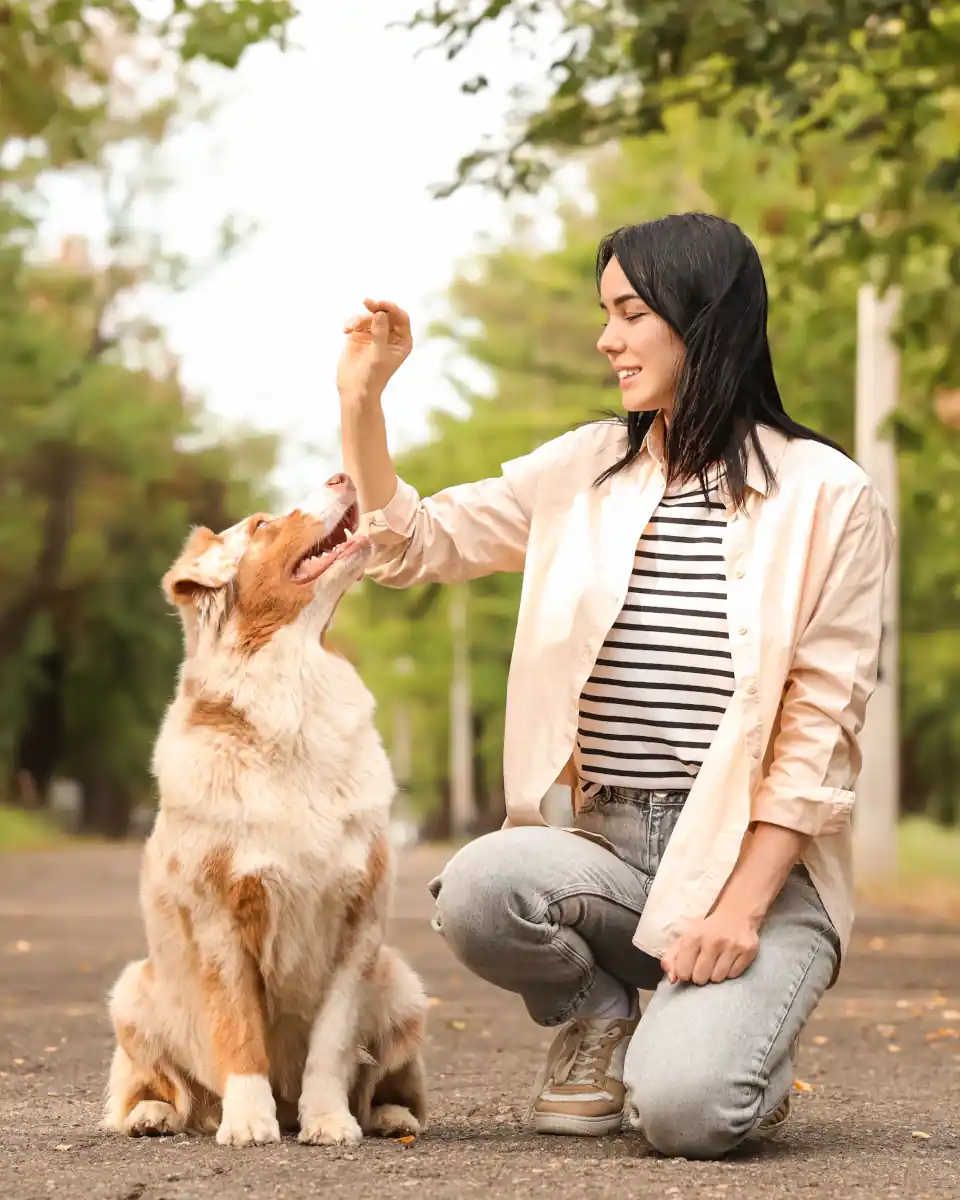
Training That Fits Your Household
Plenty of families try streaming tutorials, tips from neighbors, or repeating a cue louder before seeking help. Those ideas sometimes land, but they rarely account for individual temperament, prior learning, home layout, energy needs, or specific triggers.
“Ignore the jumping” isn’t realistic with toddlers, grandparents, or frequent guests coming through a busy foyer. “Just keep walking” won’t fix pulling if your dog is already over threshold after spotting another dog by the greenway. And “socialize your puppy” needs a plan for age-appropriate, positive exposure rather than random meetups.
Pups & Paws builds practical skills, clear communication, and confident handling for the people who live with the dog. Instead of relying solely on a low-distraction facility, we train where behaviors happen most:
- At your entryway when doorbells lead to barking, door-dashing, or jumping on visitors.
- In your living room when a puppy fixates on hands, shoes, furniture, or kids’ clothing.
- Along neighborhood sidewalks when the leash tightens or focus disappears.
- During calm field trips so your dog can practice attention around everyday bustle.
- In suitable park or public spaces as your dog builds the skills to handle bigger distractions.
Pups & Paws provides mobile, individualized training tailored to each dog and household. Programs include puppy foundations, manners, leash skills, recall, reactivity support, and one-on-one lessons.
Alpharetta Dogs Face Real-World Distractions
Homes here blend quiet cul-de-sacs with lively shopping districts and green spaces. That mix means many pets regularly encounter joggers, bikes, delivery activity, school traffic, and other dogs—ideal conditions for practicing calm behavior with guidance.
Wills Park, just off Old Milton Parkway, offers open fields, trails, and seasonal events that add noise and movement. The Big Creek Greenway brings cyclists and runners at a steady pace, and Waggy World Paw Park near the Equestrian Center provides fenced play areas. For prepared dogs, these settings are great for building focus, friendly greetings, recall foundations, and polite leash skills.
That said, dog parks aren’t the right start for every pet. Puppies still finding their confidence, dogs that guard toys or treats, those overwhelmed by groups, and dogs with reactivity benefit from structured training and controlled setups before off-leash play.
Neighborhoods around Windward Parkway, Haynes Bridge Road, Kimball Bridge Road, and along State Bridge to Jones Bridge can bring steady vehicle noise, service trucks, stroller traffic, landscaping crews, and frequent package drop-offs. A realistic plan prepares your dog for those everyday conditions instead of expecting perfection only in a quiet room.
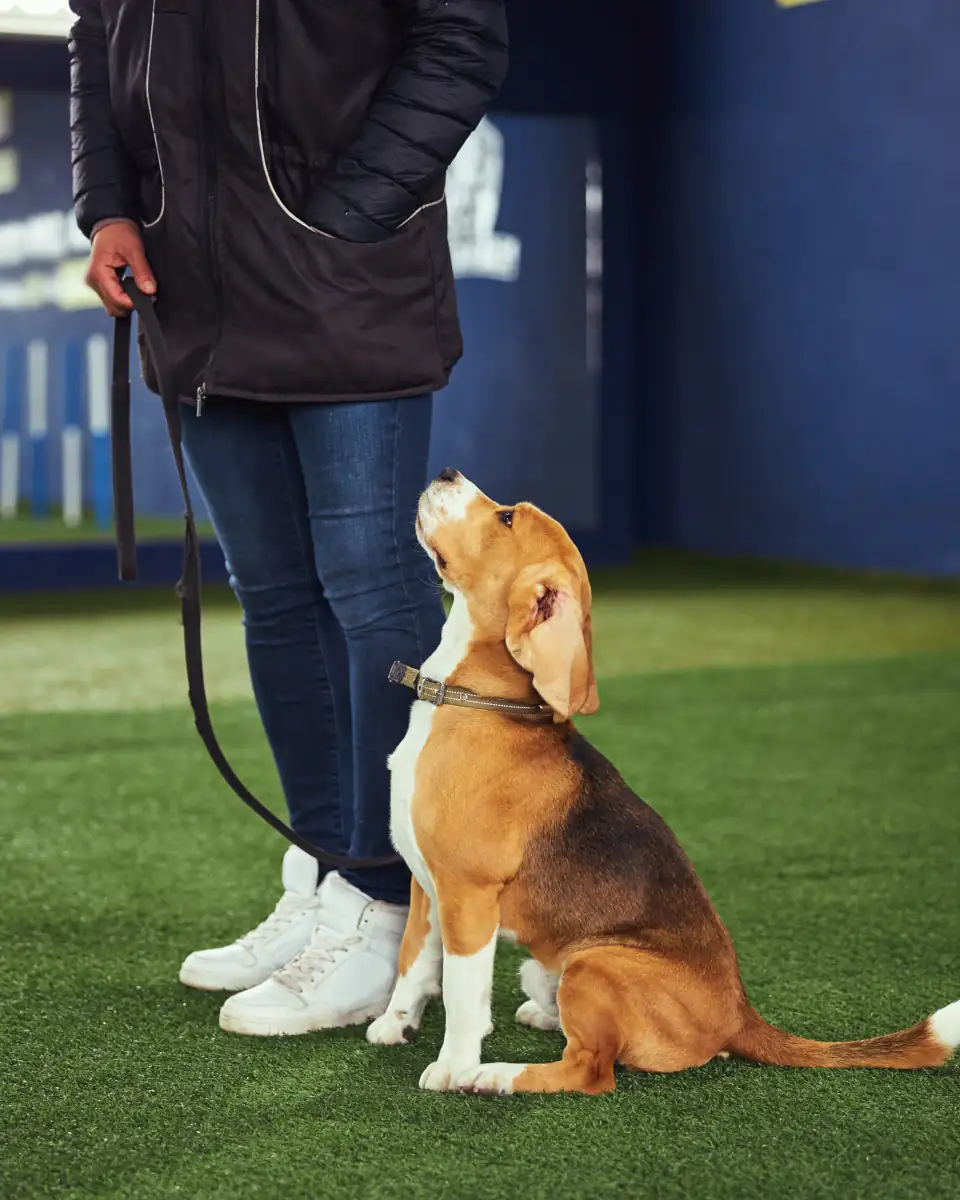
Recommended Training Guides
How to Potty Train a Puppy: The Complete Guide
Why Is My Puppy Biting Everything? Causes & Solutions
Recall Training for Dogs: How to Build a Reliable Come Command
Why Does My Puppy Cry in the Crate at Night?
Puppy Zoomies: Why Your Puppy Runs Around Like Crazy at Night
Tools I Use & Recommend
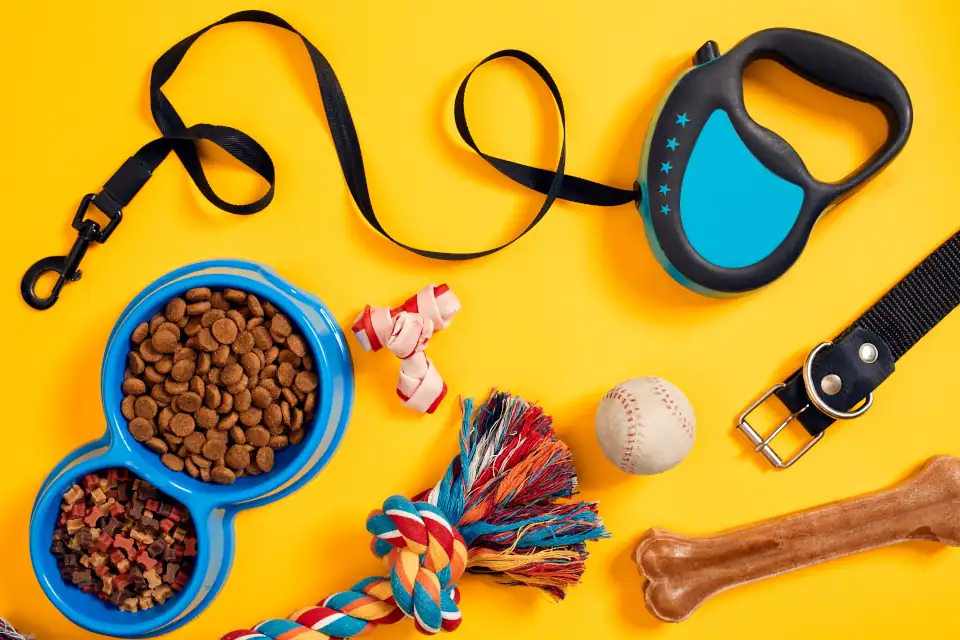
High quality training tools I use and trust with my own dogs.
See Training In Action
Watch real training sessions and tips that make a difference.
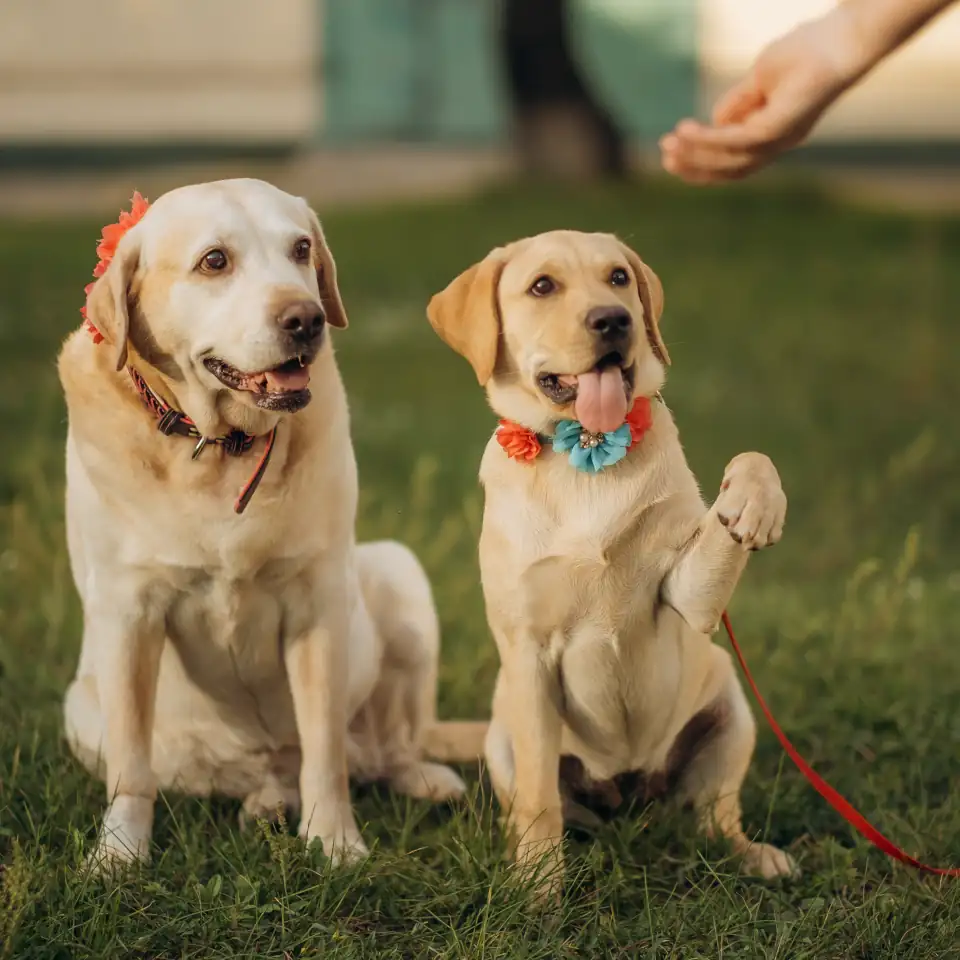
Local Training Scenarios
Project: The Big Creek Greenway leash reset
A resident near North Point Mall hoped to enjoy relaxed strolls with her spirited young dog, but every outing turned chaotic. The pup surged toward squirrels by the creek, locked up when bikes approached, and erupted in barking when joggers passed too closely.
Instead of starting on the busiest stretch by the Mansell Road trailhead, the plan began with short, low-distraction loops around the neighborhood and quiet paths near Webb Bridge Park. We reinforced voluntary check-ins, practiced u-turns before the dog hit threshold, and used brief sessions to rack up easy wins. As responsiveness improved, we layered in trickier environments—like the Greenway at off-peak times—and worked on calm observation at a comfortable distance.
The objective wasn’t to greet every passerby. It was to keep the dog safe, attentive, and pleasant to walk on real sidewalks and trails.
Project: A puppy off Windward Parkway
A family with a brand-new puppy in a townhome near GA-400 struggled with potty mishaps, dawn barking, and nippy evenings when everyone arrived home from work and after-school activities. Doorway hellos amped the puppy up, and the day felt reactive instead of intentional.
We built a predictable schedule: frequent outdoor breaks to the same spot, short supervised play blocks, appropriate chews, a calmer greeting routine at the entry, and a simple crate rhythm that matched the puppy’s sleep needs. The family learned to redirect mouthy behavior before overtiredness kicked in. With a few adjustments to timing and consistency, the home shifted from chaos to manageable structure.
Recommended Products
These are our number one picks for puppy training.
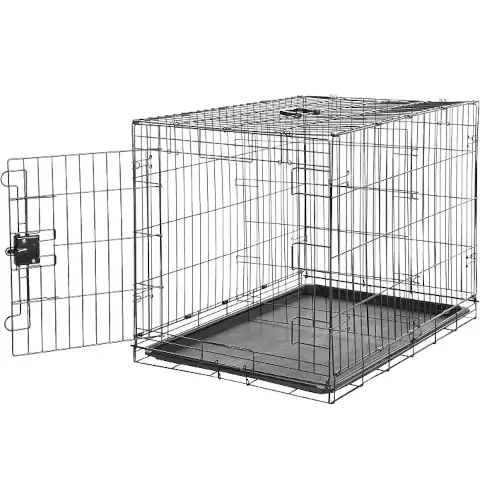
Dog Crate

Kong Dog Toy
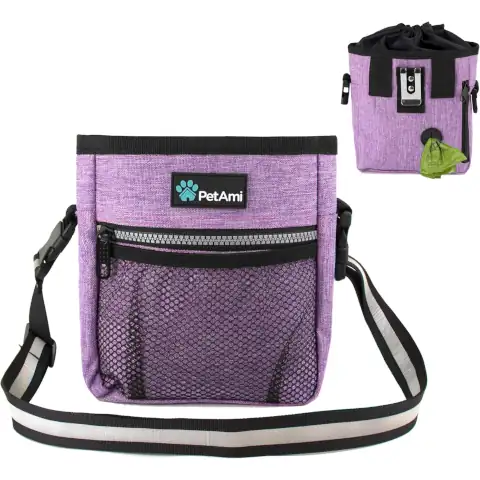
Dog Treat Pouch

Enzyme Cleaner
A Positive-Reinforcement Approach
Pups & Paws trains with modern, reward-based methods and does not use shock collars, prong collars, or tools designed to cause pain, fear, or confusion. We focus on teaching specific behaviors, paying generously for the choices we want, and practicing skills where dogs actually live—on neighborhood streets, in parks, and at home.
Positive reinforcement still includes structure. Clear routines, supervision, management, and consistent expectations help dogs succeed. The difference is that we build understanding and confidence instead of leaning on intimidation or discomfort.
For a door-jumping greeter, that may look like teaching a reliable “place” and reinforcing four paws on the floor. For a puller, we build engagement and loose-leash habits before tension appears. For a sensitive dog, we create enough distance from triggers so learning can happen without panic.
This framework is family-friendly. When adults and kids use the same cues, rewards, and house rules, dogs get consistent information from morning to bedtime.
Why Work With Pups & Paws?
Selecting a trainer is about more than a checklist of commands. You want a pro who observes your dog, listens to your concerns, explains the “why,” and leaves you with clear steps you can repeat after the session.
Pups & Paws delivers one-on-one coaching tailored to each dog’s temperament and household. With 10+ years of hands-on experience, full insurance, and dozens of five-star reviews, our team emphasizes practical plans that fit busy lives in this part of metro Atlanta.
Clients often note the real-world value of the sessions:
“We finally had a routine we could keep up with at home.”
“Walks got easier once we knew the sequence to follow.”
“Visitors no longer feel stressful—we have a plan that works.”
These excerpts illustrate common outcomes—clearer communication, more confidence, and sustainable routines. They are not a guarantee of specific results; progress depends on your dog, the environment, and consistent follow-through.
Pups & Paws offers transparent private-training packages that start with a hands-on evaluation and first session. Pricing is discussed upfront, and flexible payment options are available through Afterpay.
Frequently Asked Questions About Dog Training
Does Pups & Paws train dogs in Alpharetta homes?
Yes. Pups & Paws serves Alpharetta as part of its Atlanta-area and North Fulton service area. Training can take place in your home, during neighborhood walks, and in local spots—such as parks, greenways, or shopping districts—where your dog needs to practice real-life skills.
When is the best time to start puppy training?
Training doesn’t have to wait. Pups & Paws offers a puppy foundations track beginning at eight weeks, guiding families through potty routines, bite inhibition, name response, and calm settling at home. Building these habits early—before visits to places like Avalon or busy weekend gatherings—helps young dogs develop steady manners that last.
My dog pulls on walks. Should I use a prong or shock collar?
Pups & Paws relies on positive reinforcement and avoids prong and shock collars. Leash skills are taught through clear communication, engagement games, strategic rewards, smart distance from distractions, and consistent handler mechanics—tools that translate from quiet streets near Webb Bridge to livelier sidewalks around North Point.
Can a reactive dog visit Ridge Lake Park?
Sometimes—when the dog is prepared and reliably responsive. Reactive or easily overwhelmed dogs often start at home or in low-traffic environments before practicing near busier spaces like Wills Park. Not every fenced dog park suits every dog; if fear, overarousal, or slow recovery shows up around unfamiliar dogs, structured alternatives are safer while training progresses.
Can training help if my dog barks at delivery drivers and guests?
Yes. Doorway barking can be improved with proactive management, teaching a go-to-mat routine, planned rehearsals, and changing how the dog feels about common triggers like the doorbell. The approach is customized to the cause—alerting, anxiety, excitement—and the intensity of the behavior to ensure reliable, polite greetings.
Start With a Clearer Plan
Life with your dog should be enjoyable, even when behavior challenges are in the mix. The right plan turns daily stress into predictable routines, better communication, and steady progress you can see on neighborhood walks and at home.
Whether you’re navigating a new puppy, tough leash manners, barking, jumping, recall troubles, or confidence issues around everyday distractions, Pups & Paws Dog Training provides individualized support for households in Alpharetta, GA—from neighborhoods near Windward Parkway and Kimball Bridge Road to communities around 30004 and 30009. Reach out today to share your goals and map the next practical step toward better behavior.


